Why the next gold is not gold.
The store-of-value argument for gold was built for a century in which industrial demand mattered less than monetary sentiment. The metals that will define sovereign and institutional reserves in the second half of the 2020s are the metals that make electrolysers, aerostructures, and compound semiconductors work.
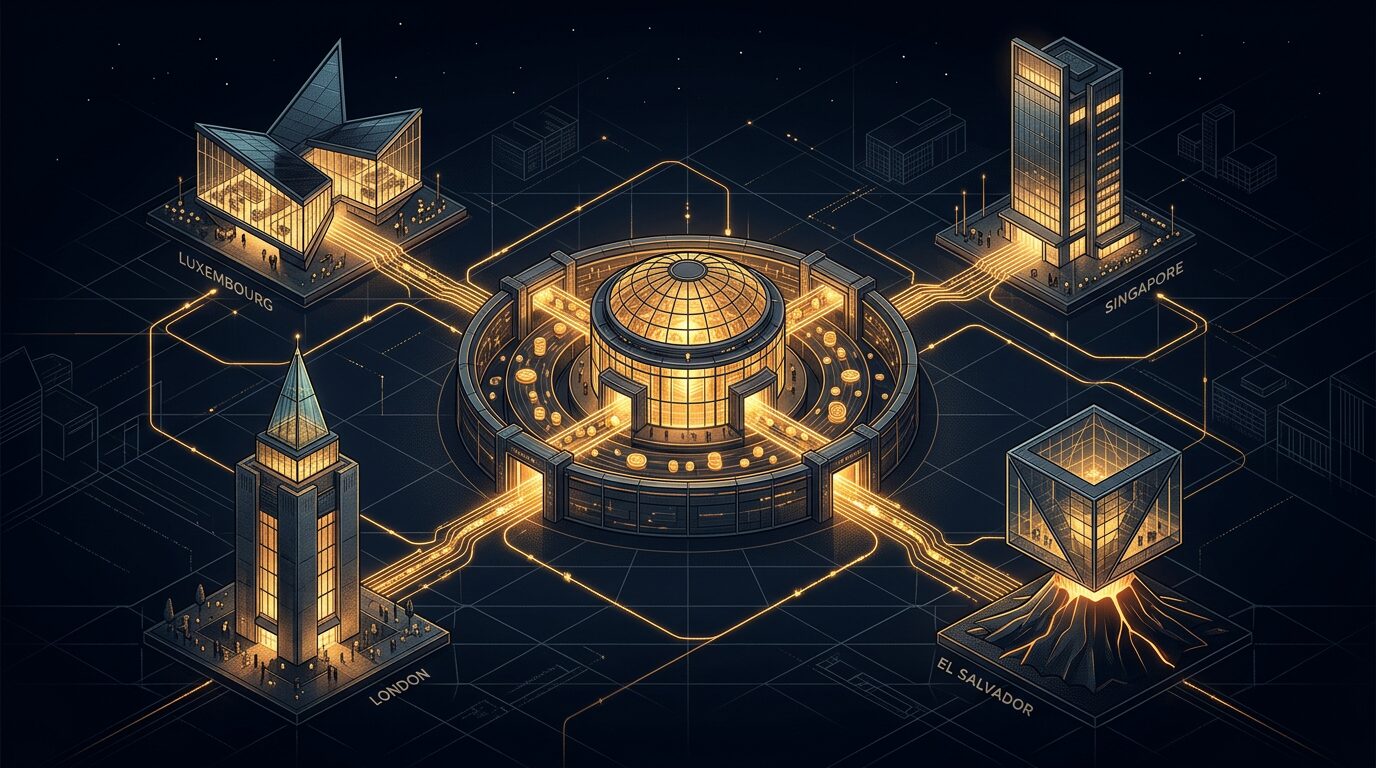
The architecture of a regulated digital security.
How ALKN’s multi-jurisdictional structure solves the three problems RWA tokenisation has, so far, failed to solve for: primary-law basis, institutional custody, and secondary-market liquidity.

Why Alkemya Metacore chose a Luxembourg SCSp.
A first-principles explanation — from the issuer — of why the Société en Commandite Spéciale is the right legal vehicle for a tokenised limited-partnership interest held by non-US qualified investors.

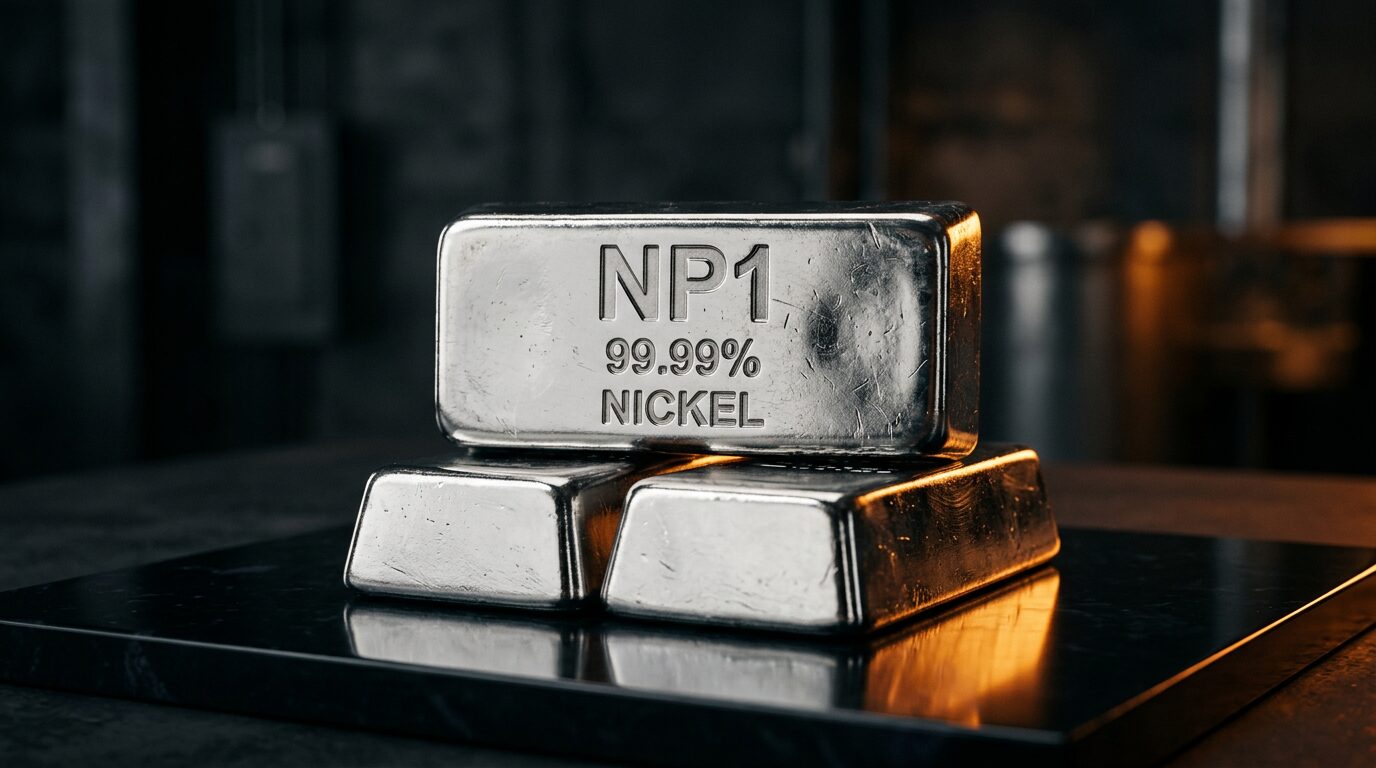
Nickel — the silent metal quietly powering the 21st-century technology boom.
From hydrogen electrolysers to EMI shielding, aerospace alloys to compound semiconductors, ultra-pure nickel is the material layer under a generation of technologies. Why the market has not yet noticed.
Commentary
- Guest Essay · Professor, NTU SingaporeThe case for precision metals as a 21st-century strategic reserve.
- Analysis · Manager, Alkemya Partners GPThe Tier-1 counsel stack: CMS DeBacker, Dentons, CNPLaw, Foley & Lardner.
- Guest Essay · Professor, NTU SingaporeEMI shielding from first principles.
- Analysis · Manager, Alkemya Partners GPThe custody problem — and its Swiss answer.
Market Briefs
- 2026-W18 · 4 May 2026Week 18 · CNAD regulatory framework — six-month review.
- 2026-W17 · 27 Apr 2026Week 17 · Semiconductor materials inflation and nickel substrates.
- 2026-W16 · 20 Apr 2026Week 16 · European hydrogen build-out reaches first-order nickel demand inflection.
- 2026-W15 · 13 Apr 2026Week 15 · Indonesian export-ban spillover tightens Class-1 nickel supply.
Topics
Press Coverage
- The Block · 18 Apr 2026Luxembourg SCSp emerges as preferred vehicle for regulated-digital-security issuance
- CoinDesk · 14 Apr 2026ALKN listing brings precision-metals reserves to public digital-security trading
- Ledger Insights · 11 Apr 2026Tokenised LP structures clear the institutional custody bar — a case study
- Financial Times (Alphaville) · 9 Apr 2026The quiet case for precision nickel in the hydrogen build-out